
Motor Vehicle Practice
Pedestrian Accident Lawyers in Pennsylvania and New Jersey
Pedestrians can suffer catastrophic injuries when drivers fail to yield, speed, drive distracted, or overlook a crosswalk. Scene conditions, video, and witness evidence can be critical.
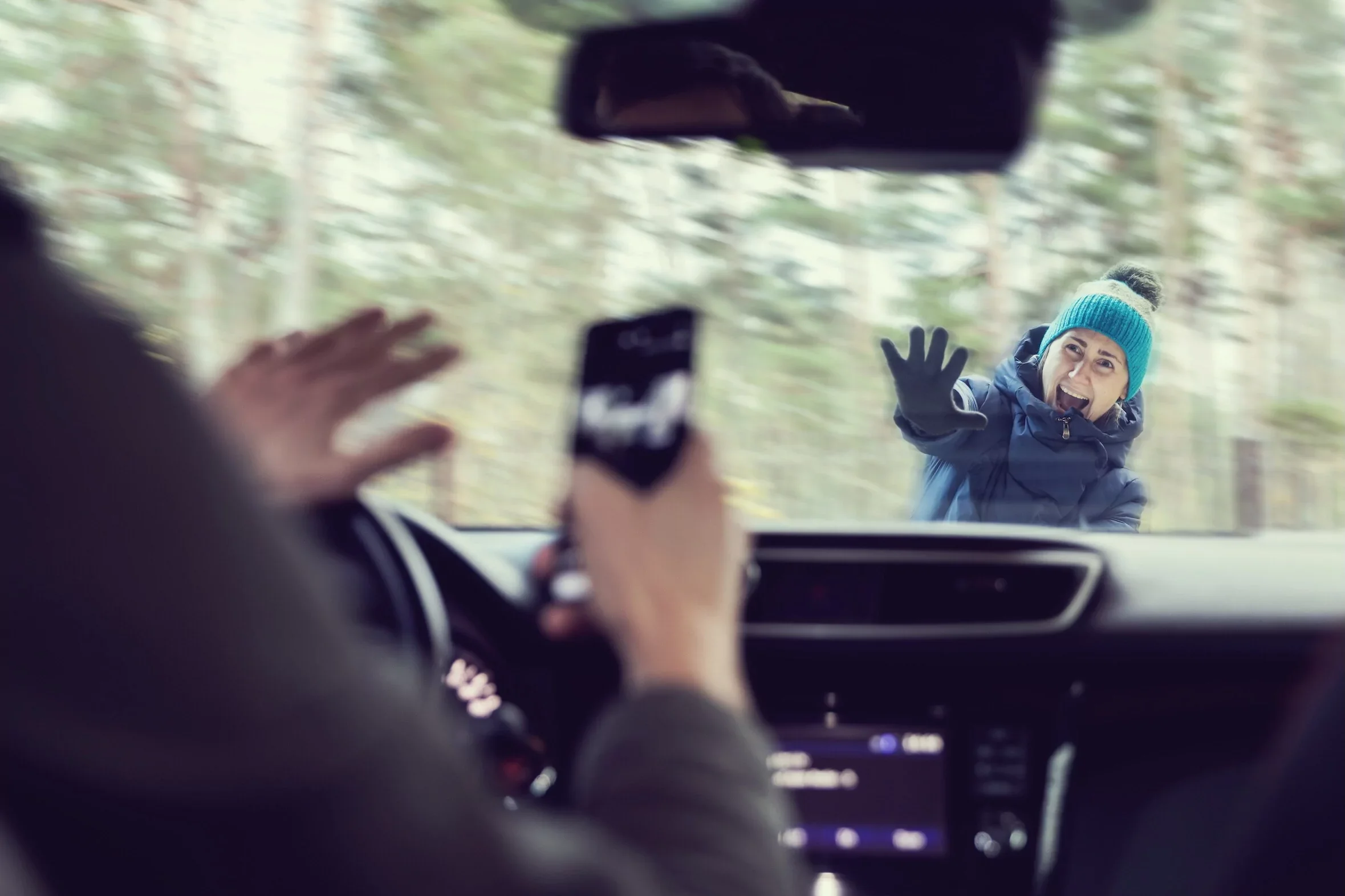
Being struck while walking can leave you dealing with medical care, missed work, and uncertainty about what happened. Edelstein Law reviews pedestrian injury inquiries in Pennsylvania and New Jersey, including collisions at intersections, driveways, and parking lots. Start with your immediate needs and the facts you know; you do not need a complete investigation before asking about a case review.
Put safety first and preserve what you have
If emergency assistance is needed, call 911. Prioritize appropriate medical care, and do not enter traffic or revisit an unsafe location to collect evidence. When you are able, organize information already safely available to you:
The location: street names, crossing position, signs, signals, lighting, and anything that obstructed visibility.
The movement: where you and the vehicle were traveling, whether the vehicle was turning or backing, and what you personally saw or heard.
Independent evidence: the crash-report number, witness contact details, original photographs, and possible business, transit, or dashcam recordings.
Your recovery: treatment dates, discharge instructions, work restrictions, receipts, and changes in daily activities.
Keep original files and distinguish your recollection from information supplied by others. Tell counsel about possible recordings promptly, but do not access private accounts or property to obtain them. An inquiry or preservation request does not guarantee that evidence can be retained or obtained.
Crossing rules depend on the circumstances
Right-of-way questions require more than knowing that a pedestrian was injured. The crossing location, traffic controls, timing, visibility, and conduct of everyone involved matter. Pennsylvania and New Jersey rules are not identical.
Pennsylvania's crosswalk statute generally requires drivers to yield to pedestrians crossing in marked crosswalks or unmarked intersection crosswalks when signals are absent or not operating, subject to the statute's exceptions. It also restricts a pedestrian from suddenly entering the path of a vehicle so close that it presents a hazard.
The New Jersey Motor Vehicle Commission's safety guidance distinguishes stopping for a pedestrian in a marked crosswalk, based on the pedestrian's position relative to the vehicle's half of the roadway, from yielding at an unmarked intersection crosswalk. Signals and other applicable rules still require review. These summaries do not determine responsibility in an individual case.
NHTSA's pedestrian safety guidance highlights turning vehicles, backing vehicles, and obstructed views as important concerns. If phone use or another distraction may have played a role, our distracted-driving page explains related evidence questions. A suspected distraction is not proof of what caused the collision.
When the driver leaves or insurance is unclear
Report a hit-and-run to the appropriate authorities and keep the report number. Write down the vehicle details, direction of travel, and any plate information you actually remember, marking uncertain details as uncertain. Do not chase the vehicle or confront anyone to investigate.
Keep insurer correspondence, claim numbers, policy documents, and any stated response dates together. Ask counsel promptly about reporting obligations, requests for statements, and documents you are asked to sign; do not assume you can ignore notices while an inquiry is pending. Which coverage may apply depends on the facts, policy terms, and applicable law. A missing driver does not, by itself, establish whether coverage or a recovery is available.
Injury effects vary. Medical records, documented expenses, work limitations, and other evidence help explain your actual losses. Neither the type of collision nor a general calculator can establish a claim's settlement value or guarantee compensation.
Prepare for a conversation with Edelstein Law
Use our consultation preparation checklist to organize your questions and existing records. You can request a free case review without first assembling a complete file. Explore our motor vehicle accident practice for related collision circumstances.
Share a brief description in your initial inquiry and ask how to provide sensitive documents securely. This page provides general information, not individual legal advice. Contacting the firm does not create an attorney-client relationship or extend a deadline.
Before you contact Edelstein Law
What to do now and what to preserve
You do not need a complete file to ask whether a case should be reviewed. A clear, factual starting point helps our team identify the next questions.
Care and immediate safety
Address urgent medical or safety needs first. Keep the treatment and discharge information you already have. Do not delay care or a legal inquiry while trying to assemble every record.
Crosswalk, visibility, and movement
Keep available photographs of crossing signals, sight lines, lighting, and vehicle positions, plus witness details and the report number. Identify nearby cameras without putting yourself at risk or entering private property.
Treatment, expenses, and daily impact
Keep provider names, visit dates, discharge papers, receipts, work restrictions, and wage-loss information. Note symptoms and changes in daily activities accurately; preserve the original records.
Before the first conversation
Have the incident date, location, parties involved, report number if known, and your main questions ready. Identify any video, vehicle, product, or other evidence that may be changed or lost. Ask our team how to provide documents securely.
Preserve original files and distinguish firsthand observations from assumptions. Do not post sensitive case details publicly. This is general information, not individual legal advice.
Planning your first conversation? Use our consultation preparation checklist and Client Resources guide to organize the information you already have and your questions for Edelstein Law.
Common questions
Pedestrian Accidents FAQs
Which scene details matter after a pedestrian collision?
Record the crossing location, signals, vehicle direction, turning or backing movement, lighting, and any obstruction to visibility. NHTSA identifies intersections, turning vehicles, and backing vehicles among pedestrian safety concerns. Describe the particular scene without assuming who had the right of way.
What if the driver left and I have only partial information?
Report the incident to the appropriate authorities and preserve the report number, witness contacts, available video, and vehicle details you remember. Mark uncertain plate digits or descriptions as uncertain. Do not chase the vehicle or put yourself at risk to obtain more information.
Should I return to the road to take photographs?
Do not enter an unsafe roadway to gather evidence. Tell our team about nearby businesses, transit stops, or cameras that may have recorded the event. Preserve photographs already safely obtained and focus first on medical care and your immediate safety.
Road-safety references: NHTSA: pedestrian safety. Reviewed September 17, 2026. These sources explain general safety issues, not the merits of an individual legal claim.