
Premises Liability Practice
Slip, Trip, and Fall Accident Lawyers
Edelstein Law evaluates serious slip, trip, and fall claims involving businesses, apartment properties, stores, parking areas, sidewalks, and other locations across Philadelphia, Pennsylvania, and New Jersey. The review focuses on who controlled the area, the exact condition, how it developed, what was known or reasonably discoverable, and how the incident caused documented harm.
Condition · notice · causation
A fall claim depends on more than the fact that an accident happened
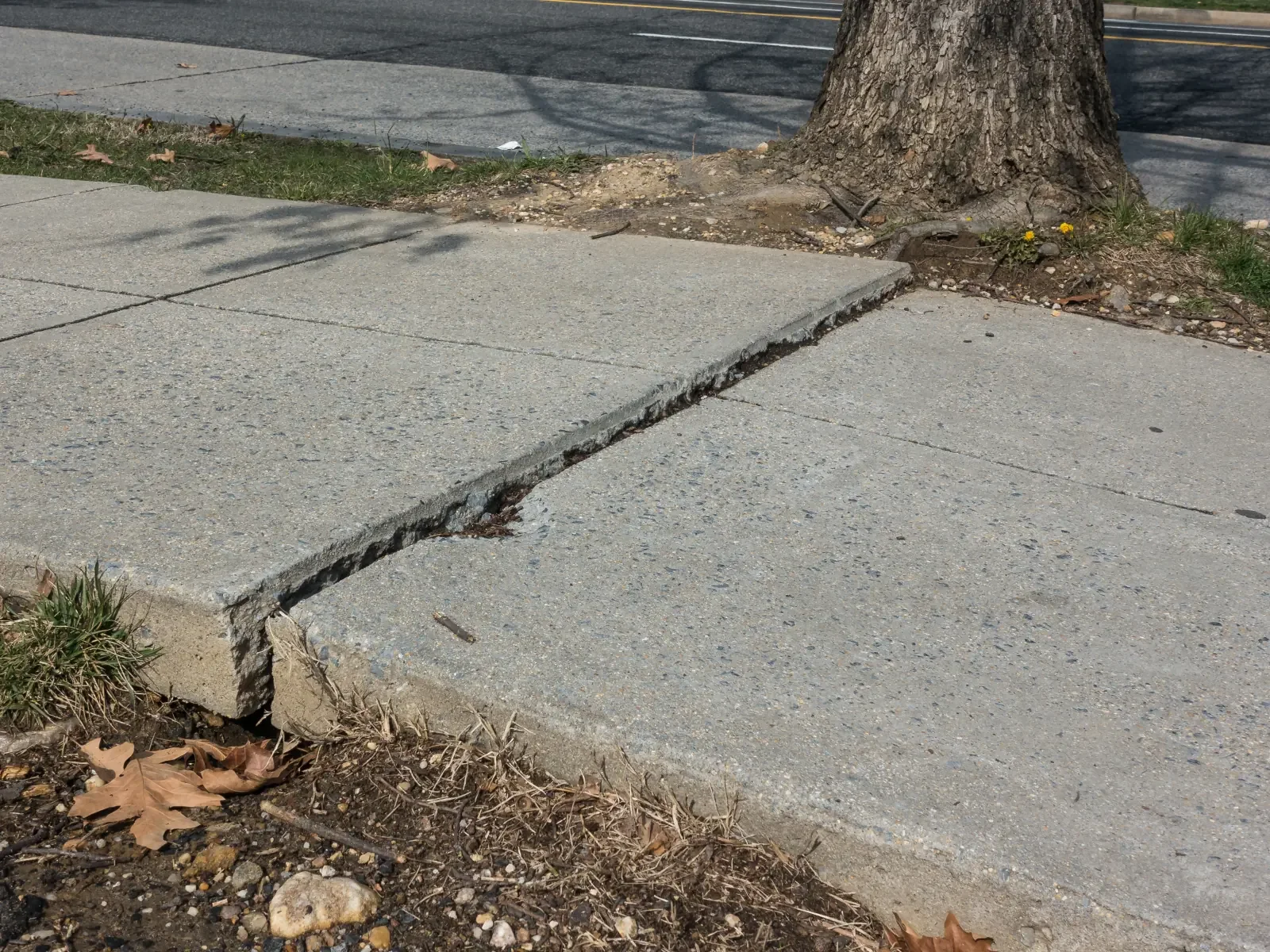
Slip, trip, and fall incidents can involve liquids, food or debris, uneven walking surfaces, damaged flooring, unsafe stairs or handrails, poor lighting, loose mats, holes, snow or ice, and other property conditions. The location and hazard must be documented precisely because conditions can change quickly.
Not every fall proves negligence. A legal review asks who possessed or controlled the area, whether an unreasonable condition existed, whether a responsible party created it or had legally sufficient notice when notice is required, whether reasonable action was taken, and whether the condition caused the injury and claimed losses.
Interactive premises review
How a slip, trip, or fall claim is built
Select a review point to see the facts and records that may matter. A dangerous-looking condition, injury, incident report, or warning sign alone does not decide liability.
The exact surface, condition, lighting, and surroundings
The review begins with the precise place and condition rather than a general description. Photographs, video, measurements, weather data, lighting, footwear, and the path of travel can help reconstruct what existed when the incident occurred.
- Original photographs and video with metadata
- Dimensions, elevation changes, traction, and lighting
- Weather, drainage, mats, debris, or liquid evidence
- Footwear, clothing, and preserved physical items
Ownership, possession, maintenance, and contractual responsibility
The property owner may not be the only relevant entity. Tenants, managers, vendors, snow contractors, cleaners, maintenance companies, and public entities may have different responsibilities based on possession, control, agreements, and the location of the condition.
- Deeds, leases, management agreements, and contracts
- Maintenance and inspection responsibilities
- Vendor work orders and indemnity provisions
- Public-versus-private property analysis
Creation, actual knowledge, constructive notice, and recurrence
When notice matters, evidence may show that a defendant created the condition, actually knew about it, should have discovered it through reasonable care, or knew that a similar condition recurred. The required proof depends on the jurisdiction, setting, parties, and theory asserted.
- Prior complaints and incident history
- Inspection schedules and completed logs
- Surveillance showing timing or recurrence
- Employee, tenant, customer, and witness accounts
Movement, warnings, visibility, witnesses, and immediate response
The sequence before, during, and after the fall can affect causation and defenses. The review may compare the hazard, route of travel, warnings, visibility, witness observations, incident reporting, cleanup, and statements made at the scene.
- Incident reports and emergency-call records
- Witness identities and contemporaneous statements
- Warning placement, timing, and visibility
- Cleanup, repair, and post-incident photographs
Medical causation, comparative fault, and supported losses
A claim must connect the event to the injury and resulting losses. Medical records, prior conditions, treatment timing, work effects, future needs, and evidence about the injured person’s conduct may all be disputed and require individual analysis.
- Emergency, imaging, treatment, and rehabilitation records
- Prior-condition and medical-causation analysis
- Wage, expense, and future-care documentation
- Comparative-fault and visibility defenses
Edelstein Law’s review process
What Edelstein Law examines in a slip, trip, or fall review
The firm builds a condition-and-notice timeline, identifies the entities responsible for the relevant area, preserves evidence before routine loss or alteration, evaluates defenses, and connects the incident to supported injuries and damages.
Preserve the scene and timeline
Document the precise condition, location, lighting, weather, warnings, path of travel, incident response, treatment, and later changes without altering original files.
Identify every responsible entity
Examine ownership, possession, leases, management, maintenance, cleaning, snow-removal, repair, and public-entity involvement rather than assuming one party controlled the area.
Test creation, notice, and response
Compare complaints, inspection practices, work records, surveillance, recurrence, employee knowledge, and the time available to discover, warn about, or correct the condition.
Connect the event to the harm
Evaluate medical causation, prior conditions, treatment, work loss, daily-life effects, future needs, comparative fault, and other claim-specific defenses and damages.
Records · timing · preservation
Evidence that can clarify the condition, notice, incident, and injury
Property conditions, surveillance, digital records, and witness memories may change or disappear. Prompt preservation can protect the original evidence while counsel identifies additional records held by owners, occupiers, contractors, insurers, medical providers, and public entities.
Original photographs, video, and measurements
Wide and close views, landmarks, lighting, dimensions, elevation changes, traction, weather, drainage, warnings, footwear, and unedited files with metadata.
Incident reports, witnesses, and communications
Incident forms, emergency calls, witness identities, contemporaneous messages, receipts, visit records, and statements made before conditions or memories change.
Surveillance and electronically stored records
Camera footage, access records, point-of-sale timing, work-order systems, inspection applications, weather information, photographs, and retention policies.
Complaints, inspections, recurrence, and repair history
Prior incidents, customer or tenant complaints, inspection logs, employee knowledge, cleaning schedules, repair requests, recurring conditions, and corrective actions.
Ownership, leases, contracts, and responsibility
Deeds, leases, management agreements, vendor and maintenance contracts, insurance information, staffing assignments, policies, and public-property records.
Medical causation and damages documentation
Emergency care, imaging, diagnoses, treatment, rehabilitation, prior medical history, expenses, wage loss, future needs, functional limits, and other supported losses.
Pennsylvania · New Jersey
Pennsylvania and New Jersey claims require individual review
Duty, control, notice, comparative negligence, public-property procedures, deadlines, and available defendants depend on the facts.
Pennsylvania
A Pennsylvania premises claim may examine the entrant’s status, possession or control, the condition, whether a defendant created it or had actual or constructive notice, reasonable care, causation, and comparative negligence. The analysis must fit the particular location and parties.
- Creation, actual notice, constructive notice, and recurrence are distinct factual paths.
- Comparative negligence is governed by 42 Pa.C.S. § 7102 and requires claim-specific analysis.
- Leased areas, contractors, public property, and multiple defendants can change responsibility and procedure.
New Jersey
A New Jersey premises claim may examine reasonable care, control, the unsafe condition, notice when required, causation, and comparative negligence. Limited doctrines can affect notice in qualifying business settings, but they do not apply automatically to every spill or fall.
- Actual and constructive notice depend on the theory and evidence.
- Comparative negligence is governed by N.J.S.A. 2A:15-5.1 and must be evaluated from the full record.
- Commercial sidewalks, leases, contractors, and public entities can present different duty and procedural questions.
Do not rely on a website to calculate a filing deadline. Exceptions, accrual, minority, death, public-entity involvement, and other facts may change the analysis.
Clear answers · individual facts
Frequently asked questions
Does every slip, trip, or fall mean the property owner is responsible?
What can prove that a business or property controller had notice of a hazard?
Can a claim be reviewed if there is no incident report or surveillance video?
What should be preserved after a serious fall on someone else’s property?
What if the injured person is accused of not watching where they were going?
Continue your research
Related practice-area resources