

Birth Injury Practice
Hypoxic Birth Injury and Cerebral Palsy Lawyers
Edelstein Law evaluates birth injury claims involving possible hypoxic-ischemic encephalopathy, interruption of oxygen or blood flow, neonatal complications, and cerebral palsy across Pennsylvania and New Jersey. Neither HIE nor cerebral palsy alone proves malpractice.
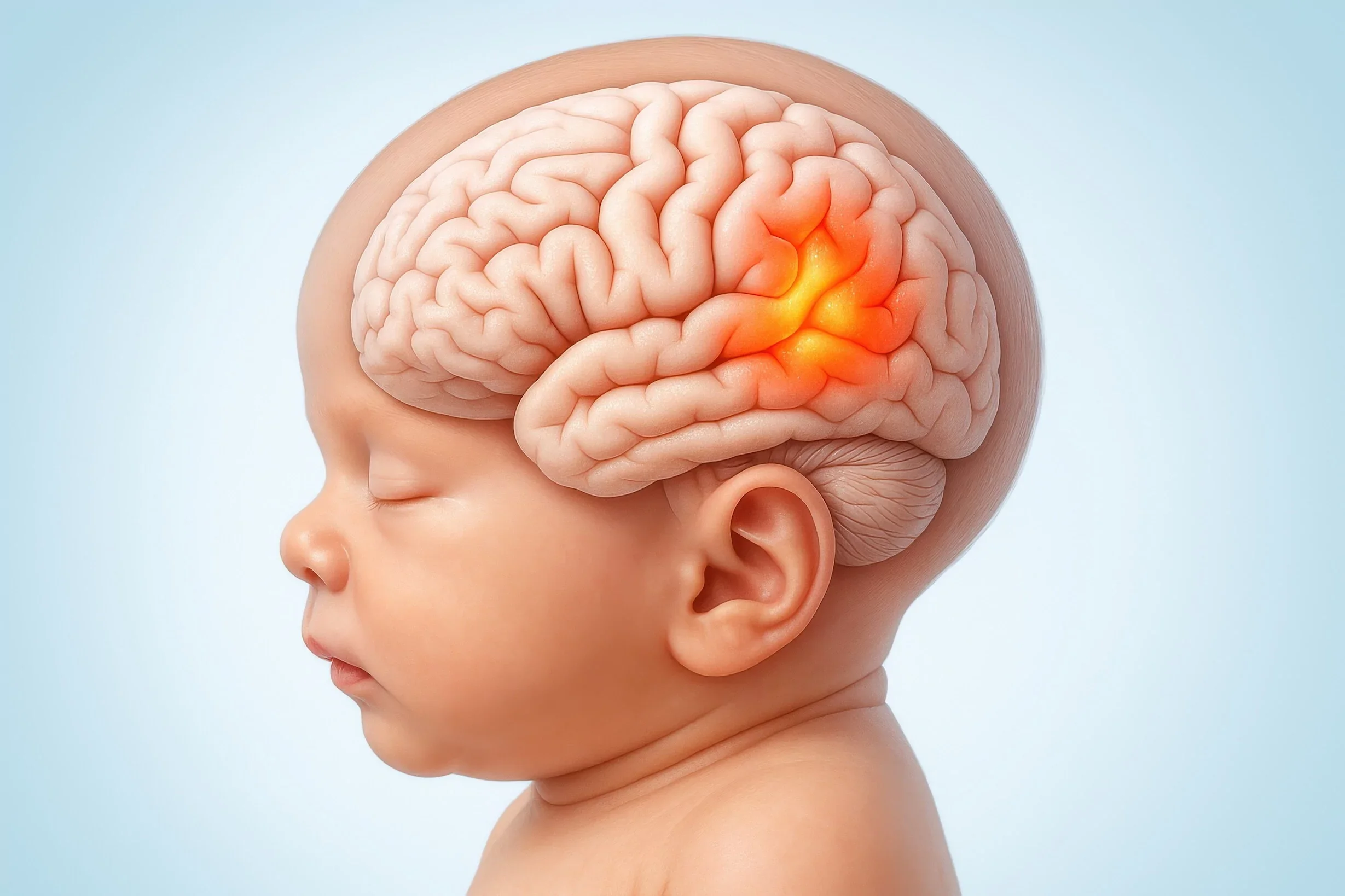
Diagnosis · timeline · causation
A diagnosis does not explain when, why, or whether an injury was preventable
Hypoxic-ischemic encephalopathy describes brain dysfunction associated with insufficient oxygen or blood flow around the time of birth. Cerebral palsy is a group of disorders affecting movement and posture and can arise from different causes and time periods.
The legal question is not whether a child has a serious diagnosis. It is whether reliable medical evidence shows that preventable care failures caused or worsened the injury.
Interactive causation timeline
Where a possible hypoxic birth injury may require review
Select a stage to see the medical evidence that may help distinguish prenatal conditions, an acute labor event, neonatal complications, and other causes.
Prenatal development, placenta, growth, and maternal health
The review may begin well before delivery because infection, placental problems, growth restriction, congenital conditions, and other factors can affect neurological outcome.
- Prenatal imaging and testing
- Maternal diagnoses and infections
- Placental and growth findings
- Specialist consultations
Fetal monitoring, contractions, and acute events
Labor records may help identify changes in fetal status, uterine activity, medications, cord or placental events, maternal complications, and the response of the care team.
- Complete fetal-monitoring record
- Medication and contraction timeline
- Provider notifications and interventions
- Delivery decision and timing
Condition, resuscitation, and early laboratory evidence
The immediate newborn record may include condition at delivery, resuscitation, blood-gas results, neurological findings, seizures, and the transition to neonatal care.
- Apgar and resuscitation record
- Cord and early blood gases
- Neurological examinations
- Transfer and NICU timeline
Imaging, seizures, cooling evaluation, and organ function
NICU records may clarify the severity and pattern of injury, timing considerations, treatment eligibility, competing causes, and the child’s early course.
- MRI, ultrasound, and EEG
- Cooling-therapy evaluation
- Seizure and medication records
- Neurology and neonatology opinions
Diagnosis, function, therapy, and long-term needs
Later evaluations document the child’s functional abilities and needs but must be interpreted with the earlier medical record before a causal conclusion is reached.
- Developmental and neurological evaluations
- Therapy and equipment records
- School and support plans
- Life-care and future-needs evidence
Edelstein Law’s review process
What an HIE or cerebral palsy case review examines
Because neurological outcomes can have multiple causes, the review must test alternative explanations and avoid assuming that timing or fault can be inferred from diagnosis alone.
Build the full medical chronology
Connect prenatal care, labor, delivery, newborn condition, NICU treatment, imaging, diagnosis, and development.
Evaluate timing and mechanism
Qualified experts assess whether the record supports an acute, chronic, prenatal, perinatal, neonatal, genetic, infectious, or other explanation.
Test preventability and causation
The analysis asks whether care fell below the applicable standard and whether different care would more likely than not have changed the outcome.
Document lifetime needs
Medical, therapy, assistive, educational, caregiving, accessibility, income, and life-care evidence may be required.
Records · timing · preservation
Evidence that can clarify timing, mechanism, and long-term impact
The most useful review usually combines original hospital data with later neurological and developmental evidence. Summary records alone may omit the sequence experts need.
Planning your first conversation? Use our consultation preparation checklist and Client Resources guide to organize the information you already have and your questions for Edelstein Law.
Maternal-fetal and placental records
Prenatal testing, growth, maternal conditions, infection evidence, ultrasounds, specialist care, and placental pathology when available.
Monitoring and delivery timeline
Complete fetal tracing, contraction record, medications, examinations, communications, interventions, decision time, and delivery events.
Condition and resuscitation
Apgar information, resuscitation, cord and early blood gases, temperature, glucose, cardiovascular status, and transfer records.
Neurological and intensive-care evidence
Examinations, seizures, EEG, MRI, ultrasound, medications, organ function, cooling evaluation, and specialist assessments.
Neurology and developmental evaluations
Cerebral palsy subtype, motor function, cognition, vision, hearing, speech, feeding, orthopedic needs, and differential diagnosis.
Therapy, education, and life-care needs
Physical, occupational, and speech therapy; equipment; transportation; accessibility; education; caregiving; and future medical planning.
One page · state-specific analysis
Edelstein Law's Jurisdictions & Practice Areas
Birth injury litigation is medically and procedurally complex in both states. Expert qualifications, filing requirements, limitations questions, defendants, causation proof, and damages planning require state- and fact-specific review.
Pennsylvania
- Adams County
- Allegheny County
- Armstrong County
- Beaver County
- Bedford County
- Berks County
- Blair County
- Bradford County
- Bucks County
- Butler County
- Cambria County
- Cameron County
- Carbon County
- Centre County
- Chester County
- Clarion County
- Clearfield County
- Clinton County
- Columbia County
- Crawford County
- Cumberland County
- Dauphin County
- Delaware County
- Elk County
- Erie County
- Fayette County
- Forest County
- Franklin County
- Fulton County
- Greene County
- Huntingdon County
- Indiana County
- Jefferson County
- Juniata County
- Lackawanna County
- Lancaster County
- Lawrence County
- Lebanon County
- Lehigh County
- Luzerne County
- Lycoming County
- McKean County
- Mercer County
- Mifflin County
- Monroe County
- Montgomery County
- Montour County
- Northampton County
- Northumberland County
- Perry County
- Philadelphia County
- Pike County
- Potter County
- Schuylkill County
- Snyder County
- Somerset County
- Sullivan County
- Susquehanna County
- Tioga County
- Union County
- Venango County
- Warren County
- Washington County
- Wayne County
- Westmoreland County
- Wyoming County
- York County
Professional-liability claims generally require early support from an appropriate licensed professional through Pennsylvania’s certificate-of-merit process.
- Record review must address the relevant professional standard.
- Limitations and accrual questions require individual analysis.
- Facility, clinician, pharmacy, and corporate responsibility depend on the evidence.
New Jersey
- Atlantic County
- Bergen County
- Burlington County
- Camden County
- Cape May County
- Cumberland County
- Essex County
- Gloucester County
- Hudson County
- Hunterdon County
- Mercer County
- Middlesex County
- Monmouth County
- Morris County
- Ocean County
- Passaic County
- Salem County
- Somerset County
- Sussex County
- Union County
- Warren County
Many professional-negligence actions require an affidavit from an appropriately licensed person under New Jersey’s affidavit-of-merit framework.
- The supporting professional and timing requirements are case-specific.
- Limitations and discovery questions require individual analysis.
- Provider, facility, and pharmacy responsibility must be evaluated separately.
Do not rely on a website to calculate a filing deadline. Exceptions, accrual, minority, death, public-entity involvement, and other facts may change the analysis.
Clear answers · individual facts
Frequently asked questions
Does HIE automatically mean medical malpractice occurred?
Is cerebral palsy always caused by oxygen deprivation during birth?
What is the difference between HIE and cerebral palsy?
Which records matter most in an HIE or cerebral palsy review?
What damages may be evaluated in a serious birth injury case?
Continue your research
Related practice-area resources